Private colleges guide · By CalChannel Editorial Team · Updated October 6, 2026
The Caltech acceptance rate was 3.8% for Fall 2025: Caltech admitted 428 of 11,285 first-year applicants, according to its Common Data Set 2025-26, and it requires SAT or ACT scores. The 2026-27 cost of attendance is $98,622, but families earning under $100,000 can expect aid that covers the full cost with no loans. Caltech is a private research university in Pasadena, California.
Caltech, cal tech, the California Institute of Technology: all the same school, and one of the smallest and most selective research universities in the country. If you’ve searched “Caltech university” trying to figure out what it actually is, where it is and how hard it is to get in, this guide covers the numbers that matter.
| Fact | California Institute of Technology |
|---|---|
| Type | Private research university focused on science and engineering |
| Location | 1200 E. California Blvd., Pasadena, California |
| Founded | 1891 (as Throop University) |
| Acceptance rate | 3.8% (Fall 2025: 428 admitted of 11,285 applicants) |
| Fall 2025 class | 428 admitted, 248 enrolled |
| Test policy | SAT or ACT required |
| Middle 50% SAT sections (Fall 2025) | Reading and Writing 760–780; Math 790–800 |
| Middle 50% ACT (Fall 2025) | 35–36 |
| Students | 2,369 total, 971 undergraduates (Fall 2025) |
| Cost of attendance (2026-27) | $98,622 ($93,225 billed by Caltech) |
| Financial aid | Meets 100% of demonstrated need; full cost covered with no loans for families under $100,000 |
| Six-year graduation rate | 90% (2019 cohort) |
| Athletics | Beavers, NCAA Division III (SCIAC) |
Sources: Caltech Common Data Set 2025-26; Caltech Financial Aid, Costs 2026-27; College Navigator (IPEDS); Caltech Admissions. Full list at the end of the article.
In This Article
- Caltech in Brief: A Small Science Powerhouse
- Caltech’s Campus in Pasadena
- Caltech Acceptance Rate: Among the Lowest in the U.S.
- Does Caltech Require the SAT or ACT?
- Caltech Cost and Need-Based Aid
- Caltech’s Tiny Student Body
- What Caltech Is Known For in Science and Engineering
- Frequently Asked Questions
Caltech in Brief: A Small Science Powerhouse
Caltech, short for the California Institute of Technology, is a private research university focused almost entirely on science and engineering. It traces its roots to Throop University, founded in Pasadena in 1891, and took the name California Institute of Technology in 1920. Some people search it as cal tech or Caltech university, but there’s just one school behind all those variations.
Is Caltech private? Yes. It’s an independent, privately governed university, not part of the University of California system despite the similar name and California location. It sets its own tuition, admission rules and academic policies.
Caltech is also unusually connected to large-scale research: it manages NASA’s Jet Propulsion Laboratory (JPL) in La Cañada Flintridge, and undergraduates can take part in research through programs such as Summer Undergraduate Research Fellowships (SURF).

Caltech’s Campus in Pasadena
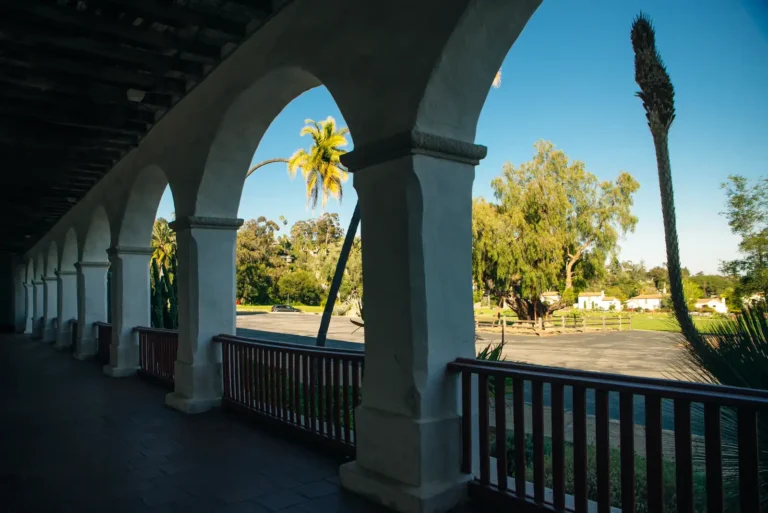
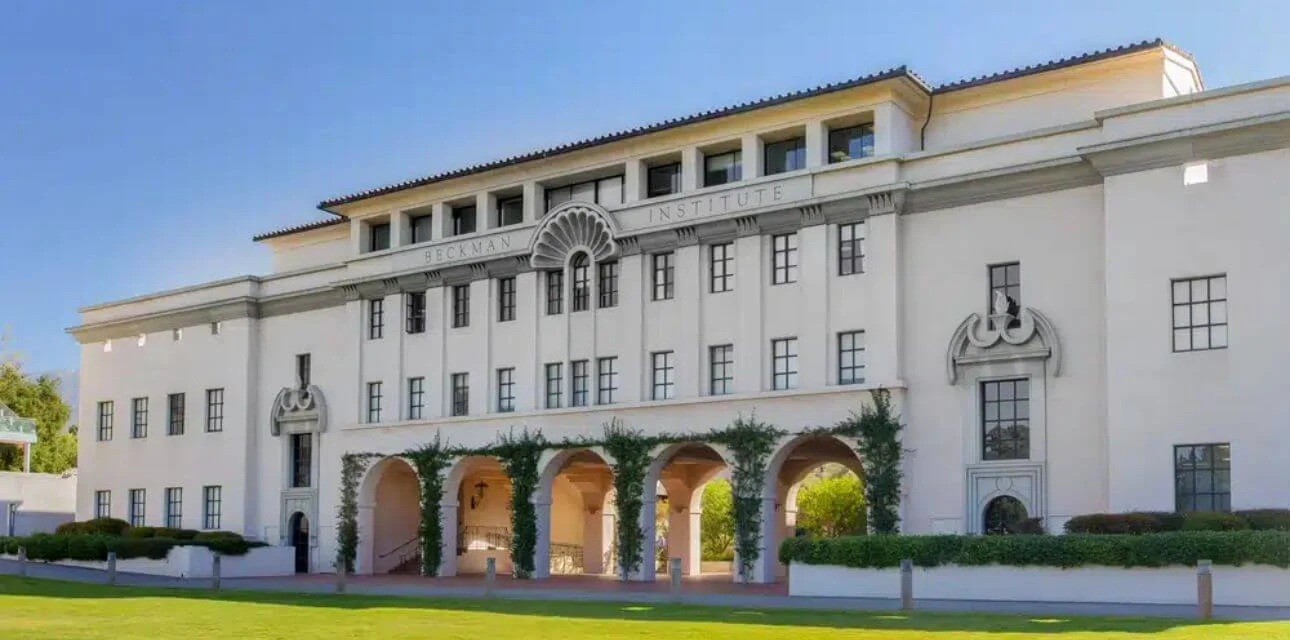
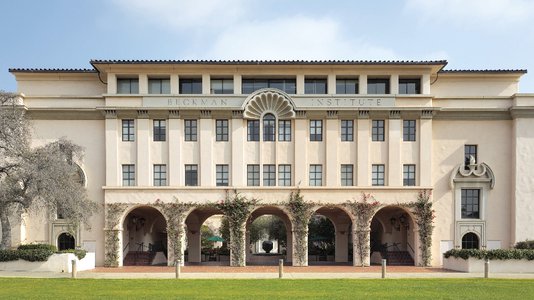
Caltech is at 1200 E. California Blvd. in Pasadena, California, about 11 miles northeast of downtown Los Angeles. Pasadena is best known for the Rose Bowl and the Rose Parade, and the campus sits in a residential part of the city within reach of Old Pasadena’s shops and restaurants.
It’s a compact campus, and nearly all first-year students live in Caltech housing. Undergraduates belong to one of eight residential Houses, which shape social life much more than the big-campus clubs and Greek life found elsewhere.
If you’ve searched “passadena university,” you were probably looking for Caltech; that’s a common misspelling of Pasadena. The city is also home to Pasadena City College, a community college covered in our Pasadena City College guide.
Caltech Acceptance Rate: Among the Lowest in the U.S.
The Caltech acceptance rate is 3.8%. For Fall 2025, Caltech received 11,285 first-year applications and admitted 428, or 3.8%, according to its Common Data Set 2025-26, and 248 of them enrolled, a yield of about 58%.
Here’s what the number hides: the class is tiny. Even a strong applicant pool competes for roughly 250 seats a year, so Caltech is more selective in practice than many schools with similar published rates. The waitlist barely moves either: for Fall 2025, Caltech offered 263 students a place on the waitlist and admitted one of them.
- Application plans: Restrictive Early Action in the fall and Regular Decision in early winter; check Caltech Admissions for current dates
- Tests: SAT or ACT required
- Academic preparation: calculus, physics and chemistry are expected, since every Caltech student takes a demanding math and science core
- Transfers: Caltech enrolls very few transfer students; for Fall 2025 it admitted 10 of 162 transfer applicants
Does Caltech Require the SAT or ACT?
Yes. Caltech reinstated its SAT and ACT requirement in April 2024 after pausing it during the pandemic, and it now requires first-year applicants to submit one of the two tests. It does not require the ACT writing or science sections.
Scores are high. Among first-year students who enrolled in Fall 2025, the middle 50% range was 760 to 780 on SAT Reading and Writing and 790 to 800 on SAT Math, and 35 to 36 on the ACT. About 78% of enrolled students submitted SAT scores and 22% submitted ACT scores.
Caltech says it doesn’t require perfect scores. It groups results into bands: section scores of 780 to 800 on the SAT or 35 to 36 on an ACT subscore fall in its top band, and 750 to 770 on the SAT or 33 to 34 on the ACT in the next band. Scores are one part of a review that weighs math and science preparation, research and creativity heavily.
Caltech Cost and Need-Based Aid
Caltech tuition for 2026-27 is $68,574. With fees, housing and food, the costs Caltech bills directly come to $93,225, and the full cost of attendance, including books and personal expenses, is $98,622.
| Caltech cost of attendance, 2026-27 (on campus) | Annual amount |
|---|---|
| Tuition | $68,574 |
| Fees | $2,655 |
| Housing | $12,711 |
| Food and meals | $9,285 |
| Total direct costs (billed by Caltech) | $93,225 |
| Books, course materials and supplies | $1,428 |
| Personal expenses | $3,969 |
| Total cost of attendance | $98,622 |
Source: Caltech Financial Aid, On-Campus Cost of Attendance 2026-27. New students also pay a one-time $600 orientation fee; student health insurance ($5,388 for 2026-27) is billed separately, and Caltech offers grant assistance to cover it.
Very few families pay that price. Caltech meets 100% of demonstrated financial need, and it publishes two income thresholds: families earning less than $100,000 a year can expect a no-loan aid package that covers the full cost of attendance, including tuition, fees, housing and food, and families earning less than $200,000 can expect aid that covers tuition in full. Caltech’s average net price for first-time students receiving grant aid was $14,513 in 2023-24, according to College Navigator.
Our take: At Caltech, the sticker price is almost irrelevant for most middle- and lower-income families. If your household earns under $100,000, the published policy is a full-cost, no-loan package; under $200,000, tuition is covered. The hard part of Caltech is getting in, not paying for it, so run the net price calculator early and don’t let the $98,622 headline stop you from applying.

Caltech’s Tiny Student Body
Caltech had 2,369 students in Fall 2025, including 971 undergraduates, according to its Common Data Set. That makes it far smaller than most well-known research universities, including Stanford and MIT, and more than half of its students are in graduate programs.
Small size shapes everything: close faculty relationships, research opportunities from the first year and a campus where most undergraduates know each other at least by reputation. Students also persist: 90% of the 2019 entering class graduated within six years.
What Caltech Is Known For in Science and Engineering
Caltech is known for world-leading research in physics, chemistry, engineering, biology and space science, and for managing NASA’s Jet Propulsion Laboratory. Its faculty and alumni include a large number of Nobel laureates for a school of its size, which is a big part of its reputation.
Academically, every undergraduate works through a demanding core curriculum in math, physics, chemistry and biology before specializing in one of Caltech’s six academic divisions. Campus life runs on an Honor Code, which lets students take many exams unproctored, and on the House system. The athletic teams are the Caltech Beavers, a nod to the beaver as nature’s engineer, and they compete in NCAA Division III.
Caltech isn’t the right fit for every strong student. Its narrow focus suits students who already know they want science or engineering. If you want a smaller STEM college with a liberal arts core, compare it with Harvey Mudd College, or see every option in our private colleges guide.
Frequently Asked Questions
What is the Caltech acceptance rate?
3.8% for Fall 2025. Caltech received 11,285 first-year applications for Fall 2025 and admitted 428 of them, or 3.8%. It enrolled a first-year class of 248.
Is Caltech test optional?
No. Caltech reinstated its SAT and ACT requirement in April 2024, and first-year applicants must submit one of the two tests. Enrolled students typically score 790 to 800 on SAT Math.
Is Caltech private?
Yes. Caltech is a private research university and is not part of the University of California system, despite its California location and similar-sounding name.
How much does Caltech cost?
The 2026-27 cost of attendance is $98,622, including $68,574 in tuition. Caltech meets 100% of demonstrated need, and families earning under $100,000 can expect a no-loan package covering the full cost.
Where is Caltech located?
Caltech is at 1200 E. California Blvd. in Pasadena, California, about 11 miles northeast of downtown Los Angeles.
Is “passadena university” the same school as Caltech?
There’s no school by that name; it’s a common misspelling of Pasadena. People who search it are usually looking for Caltech, although Pasadena City College is also in the city.
Is Caltech the Right Reach School?
Caltech is a small, private, science-and-engineering research university in Pasadena that admits fewer than 4% of applicants and requires the SAT or ACT. Its entering class is only about 250 students, and admitted students bring near-perfect math scores and serious science preparation. Plan for a Caltech acceptance rate under 4% by applying to several strong STEM schools.
On cost, the $98,622 sticker price matters less than the aid policy: full-cost, no-loan packages for families under $100,000 and full tuition coverage under $200,000. If Caltech’s focused, research-heavy environment fits what you want, run the net price calculator and apply.
Sources
- Caltech Institutional Research Office. “Common Data Set 2025-2026” and “Common Data Set 2024-2025.” caltech.edu.
- Caltech Financial Aid. “On-Campus Cost of Attendance.” caltech.edu.
- Caltech Financial Aid. “Financial Aid” ($100,000 and $200,000 thresholds). caltech.edu.
- Caltech Undergraduate Admissions. “Standardized Tests.” caltech.edu.
- Caltech News. “Caltech Restores Standardized Test Requirement for Undergraduate Admission.” caltech.edu.
- National Center for Education Statistics. “College Navigator: California Institute of Technology.”
- Wikipedia. “California Institute of Technology.” Wikipedia.org.

CalChannel Editorial Team California college guides
The CalChannel editorial team researches and writes guides to California colleges, admissions and financial aid. We build our college profiles and aid guides from colleges’ own published data, federal IPEDS data and the California Student Aid Commission. Read our editorial policy.